How Often Should Commercial Buildings Be Professionally Washed? Commercial Building Washing in Virginia Beach, VA
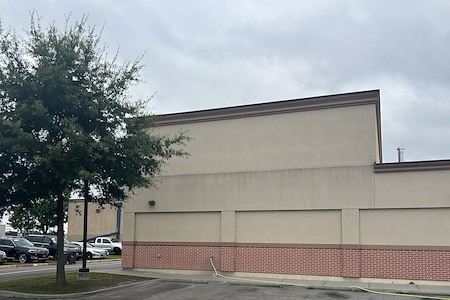
If you manage a storefront, office, or multi-tenant property in Virginia Beach, keeping the exterior clean is not just about looks. It protects your investment and your brand. With our coastal humidity, salt air, and busy foot traffic, grime builds up fast. That is why many local property managers set a regular cadence for building washing service instead of waiting for stains to show. This guide explains how to set the right schedule for your property and what factors should shape it.
Why Clean Frequency Matters For Virginia Beach Businesses
In a coastal city, contaminants arrive from every direction. Salt spray rides inland on windy days, pollen coats everything in spring, and summer humidity feeds algae. Traffic near Town Center and the Oceanfront kicks up dust that settles on ledges and sills. Left alone, this cocktail can discolor paint, etch glass, and speed up surface wear. More important, dirty facades send the wrong message to tenants and customers.
Routine cleaning interrupts that cycle. Think of it like scheduling oil changes for a vehicle. You are extending the life of finishes and keeping curb appeal steady. For many properties in Virginia Beach, a predictable plan beats one-off cleanups after a storm or tourist rush.
How Often Different Buildings Should Be Washed
Retail And Restaurants Near The Oceanfront
Salt and wind hit hardest along Atlantic Avenue, Shore Drive, and the Boardwalk corridor. Storefront awnings, signage, and glass collect residue quickly. Most retailers and restaurants in these zones benefit from light exterior rinses monthly during peak season and a deeper professional wash every 3 to 4 months. Entrances and outdoor dining areas usually need the most attention.
Offices In Town Center, Lynnhaven, And Kempsville
Office buildings set back from the beach face less salt, but they see steady vehicle emissions and dust. A quarterly wash keeps glass clear and prevents buildup on metal panels and concrete sills. Properties tucked behind trees may also need a late-spring wash to knock back pollen before it bonds to paint.
Medical, Schools, And Civic Buildings
Cleanliness and perception matter here. These facilities often adopt a biannual plan, with targeted touch-ups around entrances and patient drop-off lanes. Pressure should be adjusted for handrails, ramps, and safety signage to protect coatings.
Multi-Tenant, HOA, And Mixed-Use Properties
Shared spaces see heavy touch and traffic, especially near elevators, mail areas, and parking decks. A seasonal wash, paired with monthly hot-spot cleanups, keeps discoloration from spreading. Property managers in Princess Anne and Kempsville often stagger buildings on a rotating calendar so the community always looks maintained without disrupting everyone at once.
Material Matters: Matching Wash Frequency To Surfaces
Not all exteriors age the same. The right cadence depends on what your building is made of and how finishes respond to moisture and salt.
Brick And Masonry
Brick is durable, but mortar joints can trap organic growth. An annual to semiannual wash is common, with gentle methods that protect joints. Look for early signs of efflorescence so it can be addressed before streaks spread.
Stucco And EIFS
These textured surfaces love to hold pollen and algae. Plan on two professional washes per year if you are within a few miles of the Oceanfront or Lynnhaven Inlet. **High pressure is not the answer here; soft washing is safer for the finish** and helps detergents do the heavy lifting.
Vinyl And Painted Siding
Vinyl can discolor quickly in shady areas. Painted fiber cement fares better, but both benefit from a spring wash to clear pollen and a fall wash to reset before winter storms. Watch the north-facing sides where moisture lingers longest.
Metal, Glass, And Composite Panels
These materials show streaks fast. Quarterly washing often makes sense for Class A offices and retail with a lot of glazing. Keep an eye on panel seams where dust gathers and causes drip lines after rain.
Wood Accents And Pergolas
Wood elements around entries add warmth but need care. Gentle cleaning once or twice a year prevents algae from darkening grain and reduces slip risks on boardwalk-style decking.
Local note: Coastal wind can carry salt several miles inland after a nor’easter or strong southeast breeze. Even if you are not on the sand, schedule a quick inspection the week after major wind events to spot early streaks and rust blooms.
Weather, Traffic, And Timing In Coastal Hampton Roads
Virginia Beach has four true seasons, and each one affects your exterior differently. Spring brings heavy pollen from pines and oaks. Summer is hot and humid, which feeds algae growth on the shady sides of buildings. Fall leaf litter and early storms leave tannin stains near gutters and downspouts. Winter delivers nor’easters that throw salt spray far beyond the Oceanfront. If your property borders high-traffic corridors like Independence Boulevard or General Booth Boulevard, airborne dust further speeds up grime.
Scheduling around these patterns keeps cleaning efficient. Many local managers plan a spring wash to clear pollen and a late-summer or fall wash to reset after humidity peaks. Busy retail near the beach may add light monthly rinses during tourist season to keep glass and signage crisp.
Signs Your Building Needs Service Now
Waiting too long lets stains set and can raise your total maintenance load. Walk the property monthly and look for:
- Green or black streaks on shaded walls, especially the north side
- Powdery white residue on brick or near masonry joints
- Rust trails under metal fixtures and window sills
- Cloudy film on glass that returns quickly after rain
- Dark edges under soffits, awnings, and parapets
Any one of these is a sign to move your next cleaning forward rather than waiting for the calendar date.
Build A Simple Maintenance Calendar
A predictable plan helps you control appearance and budget while reducing disruption for tenants and guests. Use this simple framework and adjust by neighborhood, exposure, and materials:
- Oceanfront and Shore Drive retail: light monthly rinse in season; full wash every 3–4 months
- Town Center and Lynnhaven offices: quarterly wash, with glass-focused touch-ups as needed
- Kempsville and Princess Anne mixed-use: seasonal wash, rotating buildings to balance activity
- Medical and schools: twice yearly, plus entryway touch-ups before major events
- Parking structures: semiannual wash with special attention to exhaust-affected zones
If you are building a new schedule, start conservative and review results after 90 days. Note which elevations soil fastest and prioritize those in the next cycle. **Consistency is your secret weapon** because it prevents the deep-set stains that demand longer service windows later.
What Professional Building Washing Includes
A professional service should begin with a site walk to confirm water access, sensitive landscaping, and tenant needs. Technicians select detergents and pressures by material, then stage work to keep entries clear and signage readable. Good crews protect electrical fixtures and cameras, manage water so it does not pool near walkways, and finish with a quality check from sidewalk view and curb view. If your property has specialty surfaces like EIFS or coated metals, ask that they be cleaned with detergent-led methods and moderate pressure to preserve warranties.
For a deeper look at maintenance tips and seasonal planning, bookmark our local resource hub at power washing tips. You will find short reads you can share with onsite teams to reinforce standards between visits.
How Often Should You Wash In Virginia Beach, VA?
Here is a rule of thumb that works well across most of the city: plan for two professional washes per year, then adjust up or down based on proximity to salt air and traffic. Properties within a mile or two of the Oceanfront, Rudee Inlet, or the Bay often need quarterly service to keep stains from setting. Sites sheltered from wind and traffic can stretch to a spring and fall rhythm. **If you can see algae returning within eight weeks, your cadence is too long** for that elevation.
When you need a deeper reset or have multiple building types on one site, consider pairing your wash with category-level care. Explore our broader commercial pressure washing options to coordinate facade, walkways, and entry features on the same day. Combining scopes reduces repeat mobilization and minimizes tenant disruption.
Local Scenarios To Guide Your Schedule
Oceanfront restaurant with outdoor seating: wind-driven salt and sunscreen smudges show up fast on railings and glass. Monthly touch-ups on those zones plus a quarterly whole-building wash keeps photos and reviews looking sharp.
Town Center mid-rise with glass curtain wall: late-summer humidity leaves a thin film even on upper floors. A quarterly plan with extra attention to the leeward side keeps reflections crisp for tenants and visitors.
Kempsville professional plaza with stucco: shade from tall pines invites algae. Twice-yearly soft washes target texture without roughing the finish, with an extra spring service during heavy pollen years.
Set Expectations With Tenants And Staff
Communication makes service days smoother. Share the schedule at least a week in advance, mark off work zones with clear signage, and ask tenants to keep windows closed. If you run a restaurant or medical facility, plan work outside peak hours. Coordinating with janitorial teams helps finish windows and doors from the inside once exteriors are clean.
For property managers who oversee multiple addresses from Pungo to Bayside, a rolling 12‑month calendar helps. Review it each quarter and align with painting, window maintenance, and landscaping so crews are not working over each other. **Small planning steps prevent big headaches** during busy seasons.
Choosing The Right Partner
Look for a team that understands our coastal environment and offers tailored methods for different materials. Ask about detergents, pressure ranges, and how water will be managed around entrances and landscaping. A reliable partner will document each visit with before-and-after photos and note any developing issues like failing sealant or loose trim so you can address them early.
As you weigh options, remember you can learn more about commercial building washing in Virginia Beach, VA right on our home page. It is an easy starting point to see services, read tips, and request a site walk.
Plan Your Next Building Wash With Confidence
Regular washing is a maintenance habit that pays you back in curb appeal, tenant satisfaction, and reduced long-term repairs. Whether you manage a single storefront near the Boardwalk or a campus of offices in Princess Anne, the right cadence keeps your property looking cared for all year. When you are ready, schedule a walk-through and let Water Wizard build a plan that fits your site, materials, and season. Our team is standing by at 757-334-6259 to help you choose dates and scope. You can also explore service details and request a proposal on our building washing page before we visit.
If it has been more than six months since your last wash, or if you are seeing streaks already, do not wait for the next storm to make it worse. Reach out to Water Wizard today, and we will align your schedule with the seasons that shape Virginia Beach. To get started, review options for professional exterior building cleaning and pick the window that works best for your tenants and customers.
Tackle Your Property With Our Power Washing Specialists in Virginia Beach