How Often Should You Schedule Roof Washing in Coastal Virginia?
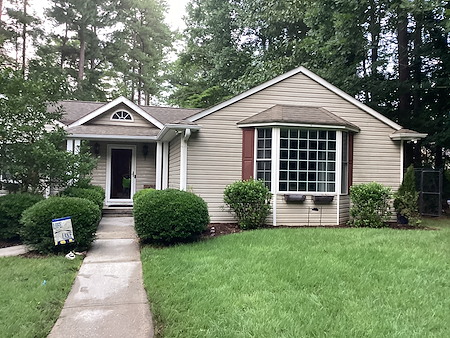
If you live in Chesapeake VA or nearby coastal neighborhoods, you have seen how fast salt air, humidity, and shade can stain shingles. Those black streaks and dark patches are algae feeding on the limestone in asphalt shingles. A smart schedule for professional roof washing keeps growth from taking hold, protects your roof, and helps your home look cared for year-round. To keep results consistent and shingle-safe, many homeowners choose a trusted team for professional roof washing.
At Water Wizard, our pressure washing pros tailor service to coastal conditions. You get a gentle soft wash that clears algae and stains without harsh force. Have questions or ready to book? Call 757-334-6259.
Roof Washing in Chesapeake VA: What’s a Good Schedule?
There is no single “right” date for every home. Your best interval depends on shade, nearby trees, roof material, and distance from salt water. Most Coastal Virginia roofs do well on a 12 to 24 month rhythm. Homes with heavy shade or close to waterways often need annual service, while sunnier or metal roofs may stretch longer between visits.
- Every 12 months: Shaded lots in Great Bridge, Deep Creek, or along the Elizabeth River where moisture lingers.
- Every 18 months: Typical suburban roofs in Greenbrier, Indian River, and Hickory with a mix of sun and trees.
- Every 24 months: Bright, breezy exposures or newer, algae-resistant shingles that dry fast after storms.
Watch for black streaks on north-facing slopes. If they show up sooner than expected, move your next cleaning up a season to stop stains from spreading.
Why Coastal Roofs Get Dirty Faster
Coastal Virginia has a unique mix of weather that speeds up staining and algae growth. Humid air keeps surfaces damp, sea salt can cling to shingles, and spring pollen sticks to everything like glue. That sticky film becomes food for algae, which then creates the familiar black streaks.
- High humidity and frequent rain keep shingles wet long enough for algae to thrive.
- Salt spray and breezes carry particles inland from the Chesapeake Bay and Elizabeth River.
- Shade from tall pines and oaks slows drying, especially after summer thunderstorms or nor’easters.
Because these factors compound, staying ahead with a steady cleaning cadence is your best defense. Small, regular cleanings beat waiting until stains take over.
Soft Wash Roof Cleaning Protects Your Shingles
Soft washing uses low pressure with targeted cleaners to loosen and remove organic growth. It is designed to protect shingle granules and flashing while restoring an even color to the roof. That is why it is the preferred method for residential roof washing in Chesapeake and Virginia Beach.
Never use high pressure on roofing. Blasting can strip protective granules and drive water under shingles. A professional soft wash clears algae on contact and rinses clean for a uniform finish.
When you want the exterior to look even from top to bottom, many homeowners pair a roof service with gentle house washing for siding and trim.
Best Times of Year for Coastal Virginia Roofs
You can wash a roof most months, but some seasons perform better than others for Chesapeake VA:
- Late spring: After the heavy pine pollen drops, cleaning restores color and helps you enter summer without stains.
- Early fall: Cooler days and steady weather mean solutions work evenly and the roof dries fast.
Winter cleanings are possible during warm spells, but scheduling can be less predictable. Summer works too, yet mid-day heat can dry solutions faster than ideal. Aim for mornings or calm days for the most consistent results.
Neighborhood Clues: What Your Area Tells You
Local microclimates matter. In Great Bridge and Hickory, tree cover and morning shade keep shingles damp after storms. Greenbrier homes may see faster algae on the sides facing wooded parks and ponds. Western Branch and South Norfolk catch more river breeze, which can carry moisture and fine salt farther inland than you might expect. If you notice the same side of your roof turning first each year, move your schedule up a month or two to stay ahead of it.
How Often By Roof Type
Roof material also guides timing:
- Asphalt shingles: Plan every 12 to 18 months in shade-prone areas, up to 24 months in bright, breezy spots.
- Metal roofing: Often 18 to 24 months since it dries faster, but watch valleys and downwind edges for buildup.
- Tile or specialty roofs: Frequency varies with texture and shade. A pro inspection can set the right cadence.
No matter the material, the goal is the same: remove algae before it digs in. That protects the surface and keeps your curb appeal strong.
Clear Signs It’s Time to Clean
Use these quick checks while you plan your calendar:
- Black streaks that spread downhill from the ridge or vents.
- Dark, patchy film on north or tree-facing slopes.
- Green growth around dormers, valleys, or under overhanging branches.
- Granules collecting faster than usual at downspouts after heavy rain.
If you spot any of the above, do not wait for the next season. Early action costs less disruption than deep restoration later. For a safe, even result, schedule trained pros for roof washing with a soft wash process.
Maintenance Rhythm That Works Locally
Think of roof care like lawn care. A steady, predictable rhythm works better than fits and starts. Here is a simple plan that fits most Chesapeake homes:
- Walk the property twice a year from the ground. Note shade changes as trees grow and where stains usually start.
- Book your roof wash in late spring or early fall based on your last cleaning date and current staining.
- After major storms, check for fallen limbs or clogged valleys so moisture does not linger on the same spots.
Want more background on risks to avoid? This quick read on roof washing mistakes homeowners make explains why gentle methods protect your shingles and landscaping.
Will Roof Washing Help Prevent Damage?
Yes. Routine soft washing removes the organisms that trap moisture against the roof. That helps shingles dry faster after rain, reduces stain-related heat buildup, and keeps flashing lines visible for routine inspections. Homeowners also like that a clean roof makes the whole property look newer, especially when paired with fresh siding and clean concrete.
For a broad look at your options, start at our home base for roof washing Chesapeake VA to see how Water Wizard serves neighborhoods across the city and the coast.
Plan Your Roof Maintenance Calendar
Here is a simple way to set your next two years with confidence:
- Month 0: Schedule a soft wash and note the date in your home binder.
- Month 6: Quick ground check on the shady side. Trim back branches that rest over the roofline.
- Month 12: If you have heavy shade or waterside exposure, book again now. Others can plan for Month 18.
- Month 18–24: Book your next wash based on what you see. Do not let black streaks get a head start.
This cadence adapts to weather swings and keeps algae from settling in. It also gives you a clear record of care, which many buyers and some associations appreciate when you decide to sell.
Ready To Put Your Schedule On Autopilot?
Stay ahead of stains with a plan that matches Chesapeake’s climate and your home’s unique exposure. When you are ready, book trusted soft wash service through our page for residential roof washing. A quick visit from Water Wizard keeps your shingles clean, helps prevent roof damage, and restores curb appeal the easy way. Call 757-334-6259 to get on the calendar today.
Tackle Your Property With Our Power Washing Specialists in Virginia Beach